
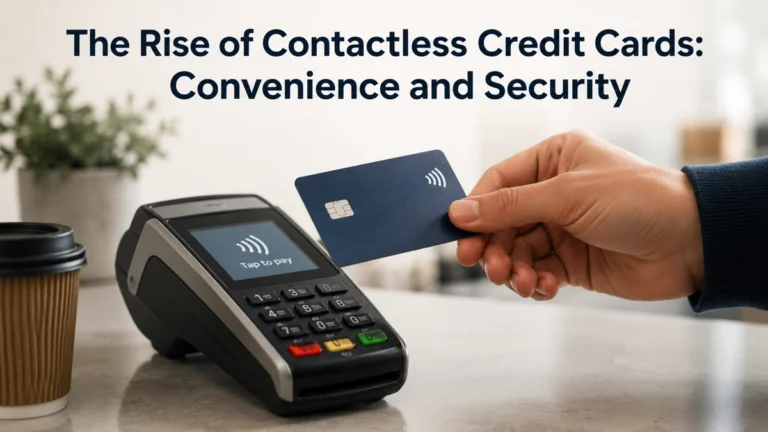
Credit cards have undergone remarkable evolution over the decades, but the surge in contactless credit cards marks a significant leap in payment technology. This advancement prioritizes ease and speed, offering consumers a seamless transaction experience. Beyond convenience, these cards introduce layers of security that redefine how financial data is protected during everyday purchases.
Contactless credit cards employ near-field communication (NFC) technology, enabling users to make payments by tapping or waving the card near a compatible terminal. This method drastically reduces transaction time at points of sale, a compelling benefit in today’s fast-paced environment. The ability to avoid physical contact also aligns with hygiene considerations, amplifying their appeal especially in high-traffic locations.
Understanding the Security Features of Contactless Credit Cards
Beyond ease of use, security remains a pivotal concern driving the integration of contactless credit cards. Each transaction triggers a unique cryptographic code known as a token, which prevents the reuse of transaction data by malicious entities. This dynamic data mechanism significantly mitigates risks associated with card cloning and unauthorized payments, raising the security bar vis-à-vis traditional magnetic stripe cards.
Moreover, contactless credit cards limit the amount per transaction for tap payments, adding a further security layer by requiring PIN confirmation for purchases exceeding that threshold. This safeguards consumers from substantial financial risk if the card is lost or stolen. The combination of tokenization and transaction limits forms a robust safeguard framework embedded within contactless credit card systems.
Consumer awareness about these security features plays a crucial role in the acceptance and trust of contactless technology. Banks and card issuers engage in education campaigns to demystify concerns regarding data privacy and fraud prevention. This proactive communication improves cardholder confidence and adoption rates, helping shift traditional perceptions about card safety and innovation.
Financial regulators also influence the evolution of contactless credit card protection standards. By endorsing compliance with stringent security protocols such as EMV (Europay, MasterCard, Visa), authorities ensure that contactless transactions uphold global authentication norms while allowing players in the payments ecosystem to innovate securely and responsibly.
Convenience Redefined: Everyday Applications of Contactless Credit Cards
The convenience factor of contactless credit cards becomes evident when examining their versatile applications across various industries. In retail, customers swiftly complete purchases without fumbling for physical cash or waiting in lengthy queues. This creates a more satisfying shopping experience, ultimately driving increased consumer spending and loyalty for businesses embracing contactless payment options.
Public transportation systems worldwide have embraced contactless credit cards as a means to streamline fare collection. Commuters tap their cards on terminals to gain quick access to buses, trains, or subways, reducing congestion and enhancing the efficiency of transportation networks. This integration exemplifies the practical benefits of contactless technology beyond retail settings.
Dining establishments benefit as well, as servers can process payments tableside with portable contactless terminals, accelerating turnover and improving customer satisfaction. Additionally, contactless cards facilitate seamless transactions for on-demand services and vending machines, demonstrating a broad spectrum of everyday scenarios where speed and convenience intertwine.
This widespread adoption also encourages financial inclusion by providing faster access to digital payment systems for previously underserved communities. Contactless credit cards bridge gaps created by cash dependency, particularly in regions where mobile payments or digital wallets have less penetration, driving broader economic participation.
Challenges and Future Outlook of Contactless Credit Cards
Despite the clear advantages, contactless credit cards face certain challenges that warrant consideration. Security concerns emerge from potential unauthorized reading of card data through digital skimming devices, although encryption and tokenization drastically reduce these threats. Some users also experience hesitance rooted in unfamiliarity with new payment methods or technological skepticism.
Another obstacle revolves around infrastructure disparities worldwide. While many urban centers boast contactless-enabled terminals, rural or less developed areas lag behind, limiting the universal availability of tap-and-go payments. Bridging this gap requires coordinated efforts among governments, financial institutions, and technology providers to enhance coverage and standardization.
Looking ahead, the evolution of contactless credit cards will likely integrate with biometric authentication, such as fingerprint or facial recognition, fortifying security while maintaining user convenience. Additionally, the expansion of embedded payment solutions within wearable devices promises a future where contactless transactions become even more effortless and ubiquitous.
Furthermore, the rise of artificial intelligence and machine learning in fraud detection will augment the safety of contactless credit cards. Real-time monitoring and adaptive risk assessments can instantly flag suspicious activity, minimizing financial losses and boosting user trust. This dynamic combination of secure hardware and intelligent software sets the stage for a resilient payment ecosystem.
Impact of Contactless Credit Cards on Consumer Spending Behavior
The rapid adoption of contactless credit cards has also influenced consumer spending patterns in nuanced ways. Psychological studies reveal that the reduced friction during checkout often encourages increased discretionary spending. The swift processes lower the mental barriers associated with budgeting, as consumers become less conscious of the physical exchange of money.
This behavioral shift may benefit the retail economy but requires consumers to exercise vigilance over their financial habits. Contactless credit cards promote convenience yet can inadvertently contribute to impulse purchases if users lack disciplined spending strategies. Education around financial management remains crucial in this evolving landscape.
Retailers respond by deploying targeted promotions and loyalty programs optimized for contactless payments. These incentives blend technology with marketing to foster personalized experiences and deepen engagement. Consequently, the contactless credit card ecosystem stimulates broader economic activity by facilitating seamless financial interactions.
Moreover, contactless credit cards empower users with better tracking and management tools through integrated mobile apps. This visibility helps mitigate overspending risks by providing real-time updates on transactions and balances, merging convenience with responsible financial oversight. Ultimately, while the technology removes physical friction from the purchase, these digital tools restore the mindfulness needed to maintain a balanced budget.
Conclusion: Embracing the Future with Contactless Credit Cards
In summary, contactless credit cards represent a transformative trend in the credit cards landscape, prioritizing both convenience and security. Their rapid transaction speeds, combined with advanced protective mechanisms, redefine consumer expectations and merchant capabilities across industries. The balance they strike between ease of use and fraud prevention reflects a thoughtful design toward modern payment demands.
Ongoing challenges such as infrastructure gaps and security perceptions need continuous attention, but technological innovations and regulatory frameworks are well-positioned to address these concerns. As digital payments become increasingly entrenched in daily life, contactless credit cards stand at the forefront of shaping efficient, safe, and inclusive financial ecosystems.
Ultimately, embracing contactless credit cards equips consumers and businesses to navigate a rapidly digitizing world while fostering economic vitality and sustainability. The momentum witnessed in the adoption of these cards signals a lasting shift in how credit cards function, promising a future where payment convenience and security enhance one another continuously.
As we look forward into 2026, the evolution of credit cards, especially in their contactless form, will continue to influence the financial landscape profoundly. Users and stakeholders who adapt effectively to these innovations will enjoy the benefits of streamlined transactions, improved security protocols, and enhanced financial experiences tailored to the demands of modern living.