
The Digital Transformation of Personal Credit
The evolution of credit cards has profoundly influenced the way consumers approach spending and personal finance management. Technological advancements have transformed credit cards from simple plastic tools into complex digital instruments integrated with various payment systems, enhancing convenience and reshaping financial behavior globally.
Initially, credit cards were primarily physical items used for basic credit purchases. However, innovations such as EMV chip technology, contactless payments, and mobile wallet integrations have revolutionized how consumers interact with their credit lines. These changes have encouraged faster, more secure transactions and increased consumer confidence in digital payments.
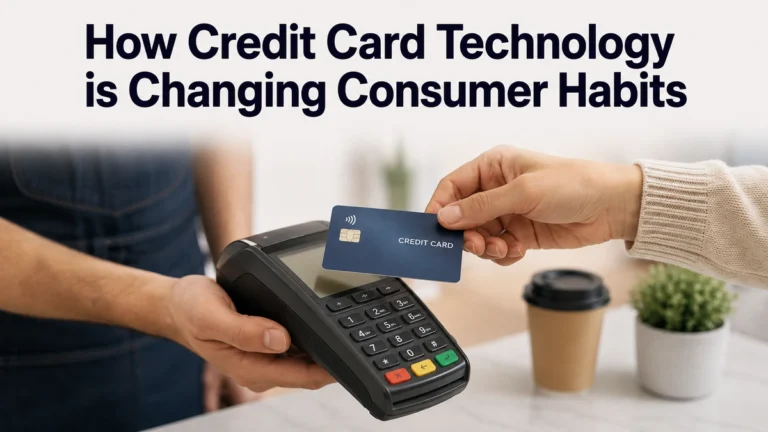
One significant shift is the widespread adoption of contactless credit cards, which utilize Near Field Communication (NFC) technology. This method allows users to tap their card or smartphone against a reader, expediting transactions and reducing physical contact. As a result, consumers have adapted to more seamless payment experiences, often favoring contactless options over traditional methods, especially in public health-conscious contexts.
Furthermore, credit card issuers now incorporate advanced data analytics to provide personalized offers and spending insights. This capability empowers consumers to make more informed financial decisions and tailor their purchases based on real-time feedback and personalized rewards, thereby influencing spending frequency and patterns.
The Impact of Mobile Wallets and Digital Credit Cards
The integration of credit cards into mobile wallets has dramatically altered consumer spending habits. Digital wallets enable users to store multiple credit cards and choose their preferred payment method without carrying physical cards. Such systems increase transactional speed and offer enhanced security features like biometric authentication, leading to increased trust in digital payments.
With mobile wallets, consumers are more likely to make spontaneous purchases due to the ease of access and convenience this technology offers. Additionally, the presence of loyalty programs and instant notifications within these platforms reinforces positive financial behaviors by keeping users informed about their spending and available rewards.
These digital solutions also facilitate contactless payments at a variety of locations, including retail stores, transportation services, and dining establishments, promoting a culture of cashless transactions. Consequently, consumers have become more reliant on their credit cards for daily expenses, subtly shifting their budgeting and payment planning.
The rise of virtual credit cards, often generated for single-use or limited-time validity, has introduced new layers of security and flexibility. Consumers appreciate the reduced risk of fraud, which can encourage increased online spending and adoption of e-commerce platforms. By eliminating the anxiety of data breaches, these dynamic numbers allow users to explore the global digital marketplace with total peace of mind.
Security Enhancements and Consumer Confidence
Security innovations such as EMV chips and tokenization have drastically reduced the incidence of credit card fraud, fostering increased consumer confidence. EMV chip cards generate unique transaction codes that are difficult to replicate, deterring counterfeit activities and making transactions more secure than traditional magnetic stripe cards.
Tokenization replaces sensitive card information with unique digital tokens during transactions, ensuring personal data remains protected from breaches. This method has become increasingly prevalent across online and mobile transactions, further solidifying trust in technology-driven payments. By shielding the actual card numbers from hackers, this invisible layer of defense allows consumers to shop online without the constant fear of identity theft.
Consumers now expect high levels of security when using credit cards, and issuers respond by implementing multi-factor authentication and real-time fraud monitoring. These measures reassure users and encourage the ongoing use of credit cards as a preferred payment method across diverse platforms. As a result, a seamless checkout experience is no longer just about speed, but about the invisible safety net that accompanies every transaction.
Moreover, educational campaigns by financial institutions on securely managing credit card technology have helped consumers develop more cautious spending behavior. This awareness reduces fraud exposure and promotes responsible credit usage habits, contributing to healthier financial ecosystems. Ultimately, combining cutting-edge technology with well-informed users creates an ironclad environment where convenience and financial safety can coexist perfectly.
Behavioral Shifts: From Credit to Financial Management Tools
Technology has elevated credit cards beyond mere spending instruments to powerful tools for financial management. Integrated apps and online platforms provide consumers with spending summaries, budgeting tools, and personalized alerts. These features encourage proactive monitoring of expenses and facilitate better financial planning.
As credit cards become more embedded within digital ecosystems, consumers increasingly rely on these tools to optimize their credit usage and maximize rewards. This shift influences buying decisions, as users compare offers and strategically plan purchases around benefits such as cash back, travel points, or discounts.
The gamification of credit card use, through challenges and reward milestones, further motivates consumers to engage more actively with their financial habits. Such strategies leverage technology to foster improved credit management skills and responsible consumption patterns. By turning responsible financial benchmarks into a series of achievable goals, banks are successfully transforming tedious budgeting into an engaging and self-rewarding experience.
Additionally, the real-time feedback mechanism integrated into credit card apps can alter spending behavior instantly, reinforcing positive financial choices. This immediate data accessibility promotes a conscious approach to credit card use, potentially reducing impulsive or excessive spending. Ultimately, this instant visibility serves as a digital conscience, giving consumers the exact information they need to pause, reflect, and stay completely in control of their financial future.
Global Trends and Future Outlook
Worldwide, the adoption of advanced credit card technologies is influencing consumer habits by promoting digital payments and reducing reliance on cash. In emerging markets, this shift is particularly impactful, as mobile payment options and credit accessibility grow simultaneously, expanding economic participation. By lowering the barriers to entry, these digital credit innovations are rapidly bringing millions of previously unbanked individuals into the modern financial mainstream.
Consumers’ increasing preference for seamless, secure, and personalized payment experiences points toward a future where credit cards evolve alongside technologies like artificial intelligence and blockchain, further transforming spending behaviors. Enhanced fraud detection, personalized financial advice, and integrated financial ecosystems are expected to emerge from such innovations.
As credit card technology continues to integrate with smart devices and IoT platforms, consumer habits will likely trend toward hyper-connected spending environments. These environments promise to streamline transactions, improve financial literacy, and offer tailored financial products, reshaping traditional concepts of credit usage. In this upcoming era, your smart refrigerator or wearable device will be able to securely execute transactions on your behalf, shifting credit from a conscious action to an automated background service.
Ultimately, the continuous evolution of credit card technology will significantly influence consumer habits, encouraging more convenient, secure, and conscious spending practices aligned with the digital economy’s demands. As the boundaries between technology and traditional banking completely dissolve, the consumer of tomorrow will enjoy unprecedented control over their purchasing power with zero friction.