

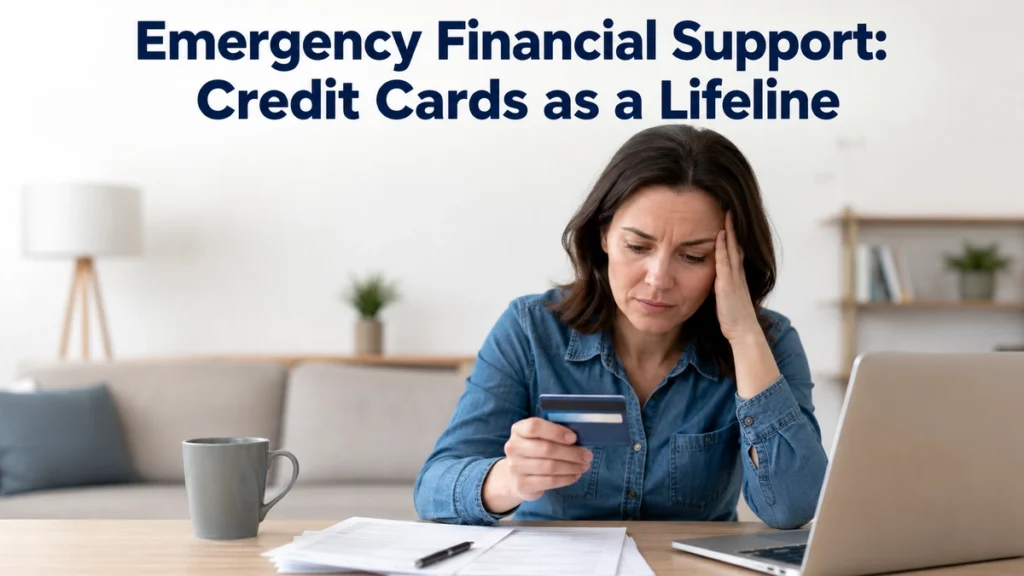
In unforeseen circumstances, when immediate access to funds is essential, credit cards emerge as a vital tool for emergency financial support. Unlike other financial instruments, credit cards offer instant purchasing power, which can be crucial during sudden expenses such as medical emergencies, urgent repairs, or unexpected travel requirements. This article explores how credit cards serve as a lifeline in financial crises and examines the unique advantages and precautions associated with their use.
The Critical Role of Credit Cards in Emergency Situations
When an individual faces unexpected financial demands, the speed and ease of obtaining funds are paramount. Credit cards provide unparalleled accessibility, allowing cardholders to cover essential costs without needing immediate cash on hand. This immediate liquidity helps bridge financial gaps, preventing detrimental consequences that may arise from delayed payments or lack of resources.
Furthermore, credit cards often extend beyond just payment methods by offering additional benefits such as purchase protections, extended warranties, and fraud liability coverage. These features add an extra layer of security and support, making credit cards a comprehensive tool in managing emergencies responsibly.
Compared to other credit sources like personal loans, credit cards require minimal processing time, offering near-instant approvals and transactions, which is especially beneficial during urgent needs. This immediacy positions credit cards as an indispensable lifeline in times when every second counts. By bypassing the bureaucratic red tape of traditional lending, you gain immediate control over an unstable situation before it can spiral into a full-blown crisis.
Many credit card issuers provide flexible repayment options, allowing users to manage their financial burden over time. This flexibility can be instrumental in easing the pressure during tough economic periods and in planning long-term financial recovery. Leveraging these adaptable repayment structures thoughtfully ensures that today’s emergency solution does not mutate into tomorrow’s unmanageable financial burden.
Understanding the Pros and Cons of Using Credit Cards for Emergencies
While credit cards provide quick access to funds, it’s essential to comprehend both their advantages and potential pitfalls. On the positive side, credit cards offer convenience and immediacy, empowering users to handle unplanned expenses effectively. They also help build credit history when used responsibly, contributing to improved financial opportunities in the future.
However, high-interest rates and potential fees may increase the overall cost of emergency spending if balances are not settled promptly. This aspect underscores the critical importance of strategic use and timely repayment to avoid exacerbating financial difficulties. Without a concrete plan to clear the balance quickly, the premium paid for this instant convenience can severely drain your future purchasing power.
Additionally, excessive reliance on credit cards during emergencies can lead to debt accumulation, which might compromise long-term financial well-being. Responsible budgeting and clear understanding of repayment terms are essential to prevent financial stress resulting from emergency credit usage. Treating emergency credit as a temporary bridge rather than an expansion of your income is what keeps a short-term crisis from becoming a permanent financial trap.
Users should also be cautious of promotional offers or minimum payment options that might seem helpful initially but could prolong debt and increase interest over time. Awareness of such terms helps consumers make informed decisions that benefit their fiscal health. Dissecting the fine print of these offers beforehand ensures you remain the strategist in control of your debt, rather than a passive source of revenue for the issuer.
Choosing the Right Credit Card for Emergency Financial Support
Selecting an appropriate credit card involves assessing several key factors that align with emergency usage needs. Look for cards with low interest rates and minimal annual fees to reduce the cost burden during repayment periods. Cards offering introductory 0% APR promotions can also provide temporary relief, giving users time to manage their finances without immediate interest charges.
It’s beneficial to consider credit cards that include emergency-specific perks, such as travel insurance, purchase protection, or concierge services that can assist during critical times. These added benefits enhance the overall utility of the card beyond mere purchasing power. Securing these built-in safeguards effectively transforms your everyday payment tool into an active insurance policy when unexpected disruptions strike.
Approval criteria and credit limits are also important considerations. Ensure that the chosen credit card offers sufficient credit availability to accommodate unexpected expenses without jeopardizing credit utilization ratios or exceeding manageable limits. Finding this optimal balance ensures that a major emergency won’t accidentally tank your credit score right when you need financial stability the most.
Moreover, analyze the issuer’s customer service reputation. Strong support can be invaluable when resolving disputes, reporting lost cards, or obtaining emergency assistance, especially under stressful circumstances requiring urgent solutions. In the middle of a high-stakes crisis, a frictionless, 24/7 customer service experience becomes your most critical asset for resolving panic and restoring financial order.
Responsible Management of Credit Cards During Financial Emergencies
Using credit cards responsibly in emergencies involves a strategic approach to minimize negative impacts and maximize benefits. Establishing a clear repayment plan immediately after incurring emergency expenses is critical to avoid spiraling interest and fees. Prioritizing credit card payments within personal budgets helps maintain healthy credit scores and financial stability.
Regular monitoring of credit statements enables users to detect unauthorized transactions or errors, which is particularly important during chaotic times. Promptly addressing discrepancies protects against fraud and unexpected charges that may worsen financial situations. Consistently auditing your transactions ensures that a stressful situation isn’t made worse by hidden mistakes or malicious billing activity.
Limiting emergency spending solely to essential items curbs unnecessary debt buildup. Distinguishing between urgent needs and discretionary expenses fosters disciplined financial behavior, crucial for long-term recovery post-emergency. Drawing this hard line in your budget prevents a temporary shock from snowballing into a long-term structural deficit.
Additionally, communicating proactively with credit card issuers can open possibilities for hardship programs or temporary relief options during extreme circumstances. Such measures demonstrate responsible credit use and encourage supportive responses from lenders. Stepping forward to start this dialogue early signals good faith, transforming your credit issuer from a strict collector into a flexible partner in your financial recovery.
Conclusion: Maximizing Credit Cards as an Emergency Lifeline
Credit cards undoubtedly offer critical support during unexpected financial emergencies by providing instant access to necessary funds, flexibility, and valuable protections. Their convenience and broad acceptance make them an indispensable resource in managing crises effectively. Yet, this power comes with responsibilities to use credit wisely, repay promptly, and choose cards aligned with one’s circumstances.
By understanding the advantages, risks, and best practices associated with credit card usage in emergencies, consumers can harness this financial instrument as a reliable lifeline that not only resolves immediate challenges but also safeguards their longer-term financial health. Thoughtful management ensures credit cards remain a tool for empowerment rather than a source of hardship.
In preparing for potential emergencies, individuals should consider incorporating credit cards as part of a comprehensive financial contingency plan that includes savings, insurance, and budgeting strategies. Such a multifaceted approach enables resilience and confidence in the face of unforeseen events. Positioning your credit lines alongside a robust cash reserve ensures you are never forced to rely on panic-driven decisions when life takes an unexpected turn.
Ultimately, credit cards serve as a vital component in the spectrum of emergency financial solutions, offering a blend of speed, convenience, and support that can significantly alleviate the stress and burden of urgent financial demands when approached with knowledge and caution. When mastered with foresight, this everyday financial tool seamlessly transforms into your ultimate shield, absorbing the impact of sudden economic shocks so your long-term prosperity remains untouched.