

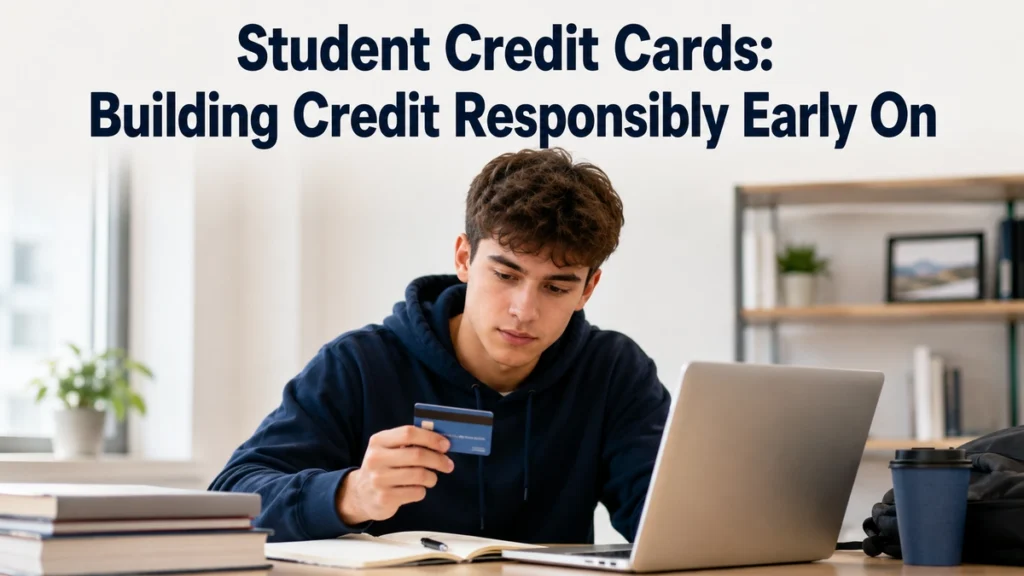
In today’s financial landscape, understanding the role of credit cards is essential, especially for students embarking on their financial journey. Student credit cards serve as a pivotal tool for young adults to start establishing a credit history, which can influence their financial opportunities for years to come. Responsible use of these credit cards helps pave the way for strong credit scores and financial independence, making early education on the subject vital.
Credit cards designed specifically for students often come with tailored features that cater to beginners in credit management. These cards usually have lower credit limits and fewer rewards compared to standard cards, emphasizing the importance of learning financial discipline rather than maximizing perks. This approach encourages students to focus on timely payments, manageable spending, and attentive account monitoring.
Choosing the Right Student Credit Card
Selecting an appropriate credit card is the first step towards responsible credit building. Students should look for cards with no annual fees and reasonable interest rates to avoid unnecessary financial strain. Additionally, some cards offer rewards programs tailored for students, which can make everyday purchases more rewarding when used wisely.
Comparing different credit card offers is essential to find the best fit. Factors such as APR (Annual Percentage Rate), grace periods, and credit limit should be evaluated to ensure the card aligns with the student’s financial capabilities and goals. Researching issuer reputation and customer service quality also assists in choosing a card that provides support when needed.
Many cards come with educational resources geared towards financial literacy. These tools can help students understand credit utilization ratios, the significance of maintaining low balances, and the consequences of missed payments. Using such resources maximizes the benefits of holding a credit card beyond the transactional elements.
In some cases, credit card issuers require a co-signer for students with limited credit history. This option allows students to gain access while providing security for the issuer. While it might seem daunting, having a responsible co-signer can facilitate credit approval and help students begin their credit-building process under guidance.
Best Practices for Managing Student Credit Cards
Discipline is the cornerstone of managing credit cards effectively. Students should always aim to spend within their means and avoid carrying balances month to month. Creating a budget that allocates funds for credit card payments ensures that debts do not accumulate unexpectedly, fostering a habit of fiscal responsibility.
Regularly reviewing credit card statements is crucial in detecting discrepancies or fraudulent activity early. Monitoring spending allows students to adjust habits promptly and prevent financial pitfalls. Setting up alerts and reminders can assist in meeting payment deadlines consistently. Developing this level of oversight early turns financial tracking into an effortless reflex that will protect your income long after graduation.
Understanding credit utilization is another key practice. Keeping credit utilization below 30% of the available credit limit demonstrates to creditors that the cardholder is managing credit wisely. High utilization rates can negatively impact credit scores, even with timely payments. Mastering this ratio allows you to actively engineer a high credit score from your dorm room, using the bank’s own rules to your distinct advantage.
Students should also avoid using credit cards for cash advances or other transactions that typically incur higher fees and interest rates. Such practices can undermine efforts to build credit and lead to financial setbacks. Educating oneself on the terms and conditions associated with the credit card promotes smarter usage.
Long-Term Benefits of Early Credit Building
Establishing a credit history during student years sets the stage for future financial opportunities. A strong credit score acquired early can ease the approval process for significant loans like mortgages and auto loans. It can also result in more favorable interest rates and repayment conditions, providing considerable savings over time.
In addition to loans, good credit impacts insurance premiums and mobile phone contracts. Companies often use credit information to assess risk, with better credit profiles qualifying for lower costs. Students who invest in managing their credit cards responsibly reap these benefits beyond traditional borrowing. This systemic advantage means that a healthy credit history secretly drives down your everyday cost of living, keeping more cash in your pocket for long-term goals.
Building credit early also nurtures financial confidence and awareness. Handling credit cards responsibly teaches lessons applicable throughout life, including the importance of saving, budgeting, and investing. This experience equips students to make informed financial decisions and avoid common debt traps. By treating your student card as a training tool rather than extra income, you develop an intuitive understanding of wealth management that will serve you well for decades.
Finally, maintaining a positive credit history enhances credibility when seeking employment, as some employers review credit reports during hiring processes. Demonstrating responsible credit use can thus contribute to career prospects, underscoring the wide-ranging impact of early credit management. In a competitive job market, an unblemished credit report serves as a silent letter of recommendation that proves your organizational skills and personal reliability to potential employers.
Challenges and How to Overcome Them
Despite the advantages, some students may face challenges in managing credit cards effectively. Peer pressure, lack of financial education, and the temptation of easy credit can lead to misuse and debt accumulation. Recognizing these pitfalls is the first step in preventing negative outcomes. Acknowledging that credit cards amplify your spending decisions allows you to pause and align your choices with your actual financial boundaries rather than social expectations.
Students should seek guidance from financial advisors, family members, or educational resources to develop sound money management habits. Many universities offer workshops or counseling services that focus on personal finance and credit management, which can be invaluable. Tapping into these supportive networks turns a solitary learning curve into a collaborative effort, sheltering you from making costly rookie mistakes.
Setting clear financial goals creates motivation and direction. For instance, aiming to build a credit score for future apartment rentals or car purchases helps students stay purposeful in their spending and payment behaviors. Tracking progress regularly reinforces positive habits. When you map each small swipe to a major milestone on your horizon, impulsive spending naturally loses its appeal.
Utilizing technology can also aid management. Mobile apps that monitor spending, automate payments, and provide credit score updates serve as effective tools in promoting responsible credit card use. Embracing these resources modernizes the approach to credit building. Letting a well-configured app handle the administrative heavy lifting ensures your accounts stay healthy even when midterms and finals take center stage.
Conclusion
Student credit cards represent more than just a way to make purchases; they are a foundational instrument for building credit responsibly early on. When chosen wisely and managed diligently, they offer students invaluable lessons in financial discipline, budgeting, and credit health. This early experience not only enhances credit scores but also opens doors to broader financial opportunities.
Recognizing both the benefits and challenges, students are encouraged to seek knowledge, set goals, and utilize available resources to navigate their credit journey successfully. Financial education, combined with practical application through student credit cards, equips young adults to enter the financial world with confidence and resilience.
Ultimately, the responsible use of credit cards during student years fosters a strong credit foundation that can positively impact many facets of life. By embracing this approach, students empower themselves to achieve financial stability and independence well into the future. Taking control of your credit profile today ensures that your tomorrow is defined by choices you make out of genuine economic freedom, rather than limitations imposed by past mistakes.